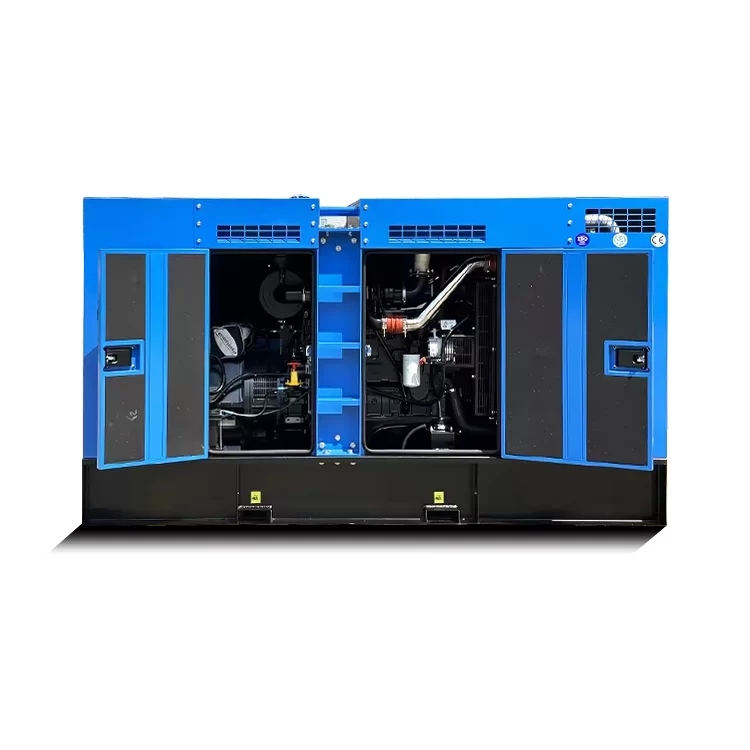
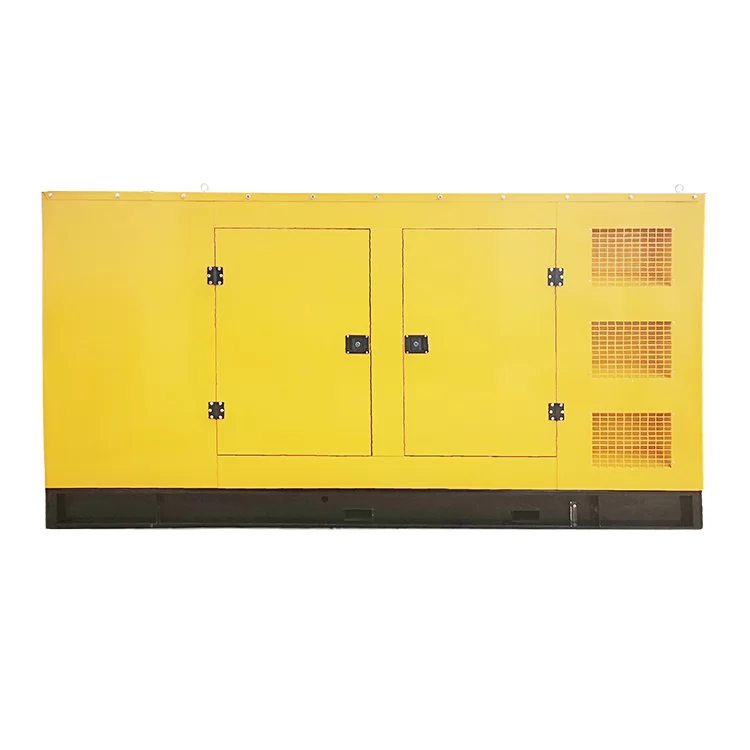
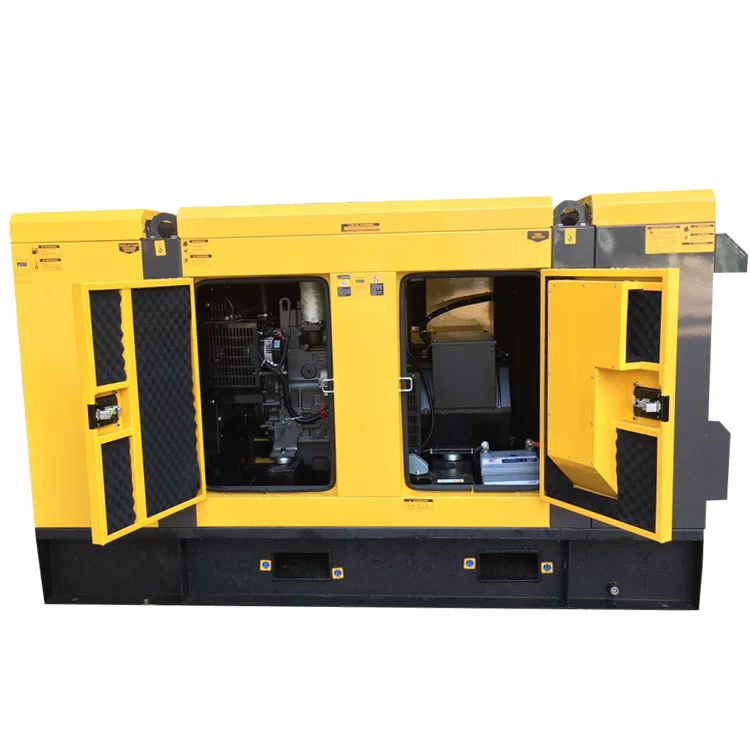
HighEfficiency industrial diesel generator Solutions for Germany

High-Efficiency industrial diesel generator Solutions for Germany

Providing German industry with ultra-reliable, Stage V compliant power systems tailored for precision manufacturing and critical infrastructure.

High-Efficiency industrial diesel generator Solutions for Germany

Engineering excellence for the German market, integrating world-class engine technology with rigorous local emission and noise standards to ensure uninterrupted industrial productivity.

Current State of Power Generation in Germany

Analyzing the intersection of Energy Transition (Energiewende) and Industrial Stability.

Germany's industrial landscape is currently undergoing a massive transition toward renewable energy. However, the reliance on a cummins generator or similar high-stability systems remains critical for the "Mittelstand" (SMEs) to avoid costly downtime during grid fluctuations or planned energy shifts.

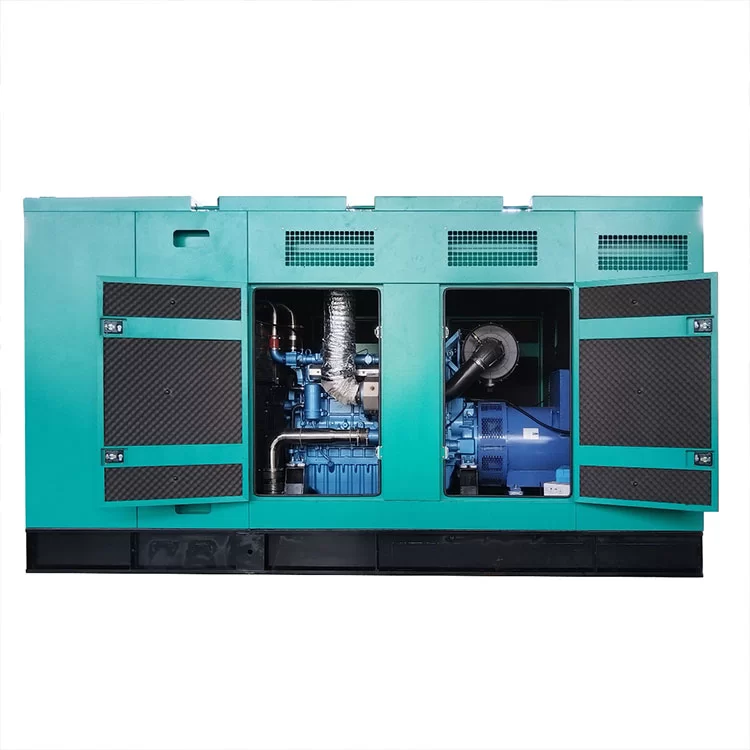
Stringent environmental regulations, particularly EU Stage V emission limits, have forced a shift toward more advanced combustion technologies. This has increased the demand for a silent diesel generator in urban industrial zones like North Rhine-Westphalia, where noise pollution laws are strictly enforced.

Economically, the German market prioritizes Total Cost of Ownership (TCO) over initial purchase price. There is a growing trend toward integrating high-performance Chinese engineering, such as the weichai diesel generator, providing a balance between heavy-duty performance and cost-efficiency.
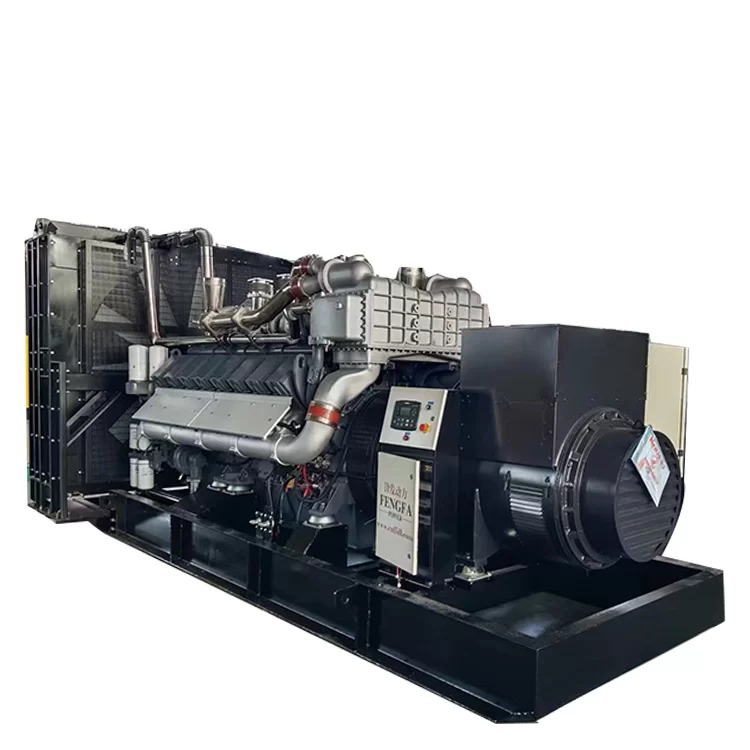
Evolution of German Power Systems

From traditional heavy machinery to intelligent, low-emission power modules.

Market Development History

In the late 20th century, the German market relied heavily on oversized, mechanical-governed diesel sets. These systems were robust but lacked the efficiency and emission controls required by modern environmental standards.

Between 2010 and 2020, the focus shifted toward electronic control units (ECU) and the adoption of common-rail injection. The introduction of the yuchai diesel generator in select industrial sectors showcased the viability of globalized power solutions meeting European efficiency benchmarks.

Today, the market has evolved into the era of "Smart Power," where generators are no longer standalone units but integrated components of a hybrid microgrid, emphasizing rapid response times and minimal acoustic footprints.

Future Development Trends

Hydrogen-Diesel Dual Fuel Integration

Over the next 3-5 years, we expect a surge in dual-fuel systems to reduce carbon footprints while maintaining the reliability of diesel combustion.

AI-Driven Predictive Maintenance

Integration of IoT sensors will transition German facilities from scheduled maintenance to predictive maintenance, reducing operational risks.

Ultra-Low Decibel Enclosures

As industrial sites move closer to residential areas, the engineering of acoustic shielding will become the primary competitive edge in the generator market.

Future Trends and Strategic Outlook

Driving the future of German industrial energy resilience.

Decarbonization Path
Transitioning toward HVO (Hydrotreated Vegetable Oil) compatible engines to meet Germany's net-zero goals.
Grid-Interactive Tech
Implementing advanced synchronization panels for seamless transition between the public grid and backup power.
Digital Twin Monitoring
Using cloud-based replicas to simulate load stress and optimize fuel consumption in real-time.
Modular Scalability
Shift toward containerized, plug-and-play power modules for rapid deployment in expanding factories.

Industry Outlook

The German power generation sector is moving toward a "Hybrid Energy Hub" model. We anticipate that diesel power will no longer be the sole backup but will work in tandem with BESS (Battery Energy Storage Systems) to provide instantaneous power and long-term stability.

Search data indicates a growing interest in "low-noise industrial power" and "sustainable diesel alternatives," suggesting that the winners in the German market will be those who can combine the raw power of a diesel engine with the silence and cleanliness of modern electronics.

Local Application Scenarios in Germany

Tailored power solutions for diverse German industrial and commercial needs.

01. Automotive Manufacturing Hubs (Baden-Württemberg)

Deployment of high-capacity industrial diesel generator units to protect robotic assembly lines from voltage dips that could cause millions in losses.

02. Urban Data Centers (Frankfurt)

Integration of silent diesel generator systems to meet strict city noise ordinances while providing Tier IV redundancy for critical cloud infrastructure.

03. Chemical Processing Plants (Ludwigshafen)

Utilization of heavy-duty weichai diesel generator sets for emergency pumping and cooling systems, ensuring safety in volatile environments.

04. Logistics & Cold Chain Centers (Hamburg Port)

Using yuchai diesel generator units for portable, high-efficiency power to maintain temperature control for perishable imports during grid maintenance.

05. Precision Engineering Workshops (Stuttgart)

Installation of cummins generator systems for stable, low-harmonic power delivery to CNC machines and high-precision tooling.

Brand Story

Global Development History of Jiangsu Jaskaichen Power Equipment Co., Ltd.

Foundational Engineering

Established with a mission to bridge the gap between raw power and precision control in the electrical machinery sector.

Technical Iteration

Developed proprietary noise-reduction enclosures and fuel-efficiency algorithms to enter the competitive European market.

Global Expansion

Successfully exported thousands of units to Germany, meeting the rigorous CE and Stage V certification standards.

Sustainability Pivot

Invested in R&D for hybrid power systems, focusing on reducing the carbon footprint of industrial standby power.

Industry Leadership

Now recognized as a leading provider of integrated power solutions for the global electrical mechanical industry.

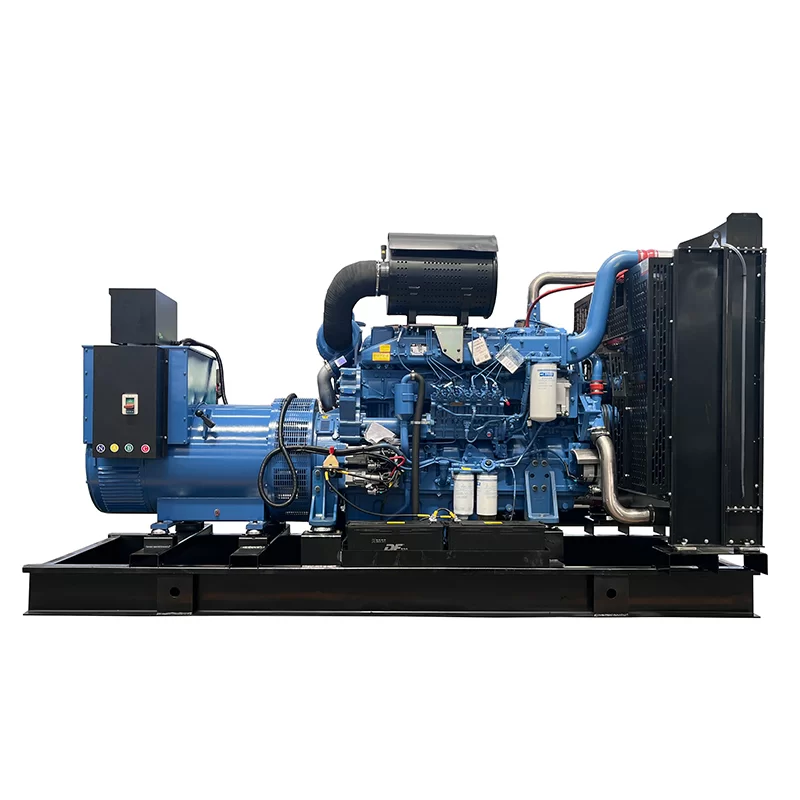
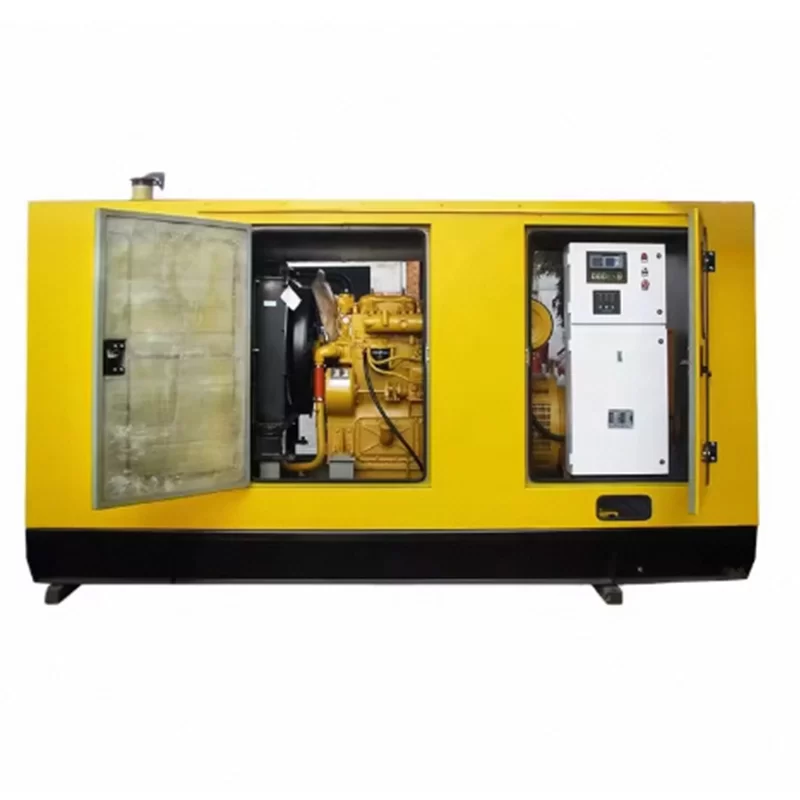
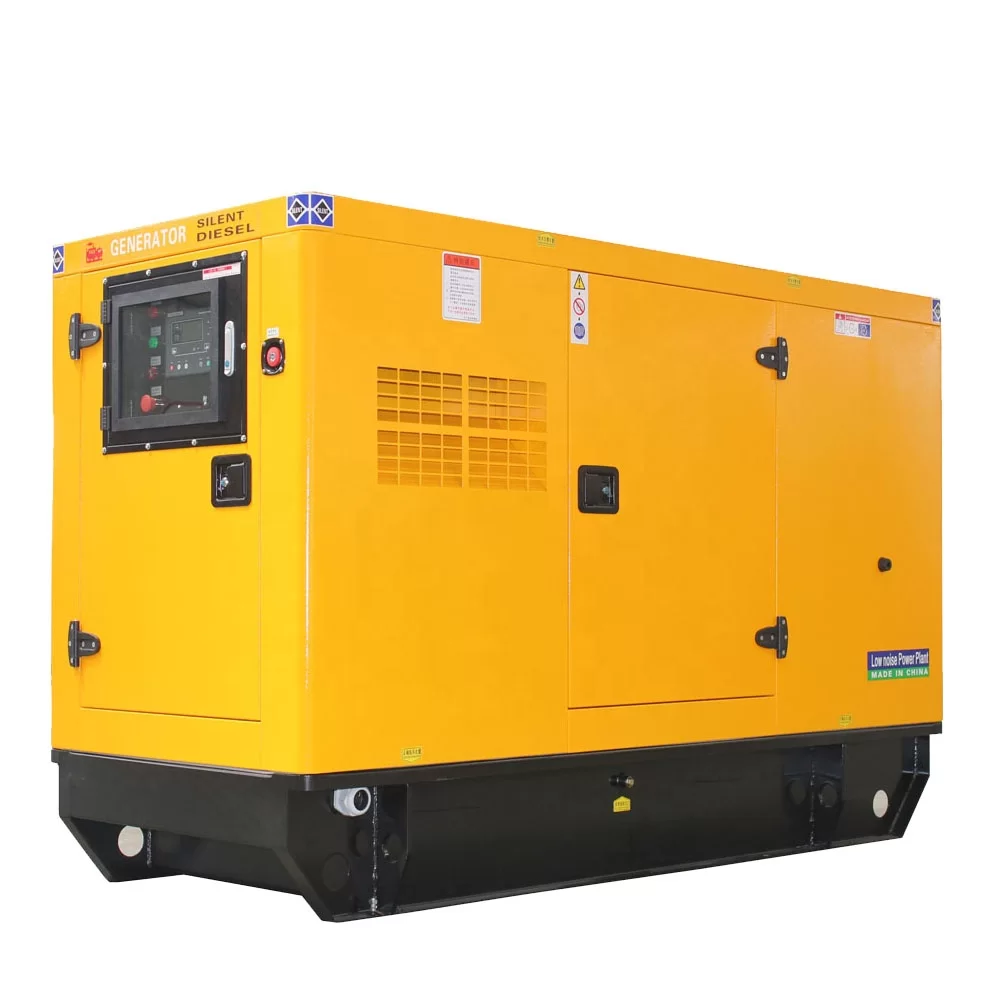
Complete Power Portfolio for the German Market

From compact silent units to heavy-duty industrial powerhouses.

Common Questions for Power Generation in Germany

Expert answers to local technical and regulatory queries.

How do I ensure my industrial diesel generator meets EU Stage V emissions?

Our systems incorporate advanced DPF (Diesel Particulate Filters) and SCR (Selective Catalytic Reduction) technology to ensure all exhaust emissions are within the legal limits for the German region.

What is the noise limit for a silent diesel generator in urban industrial zones?

German TA Lärm regulations vary by zone, but our silent enclosures typically reduce noise levels to 65-75 dB(A) at 7 meters, making them suitable for most urban industrial applications.

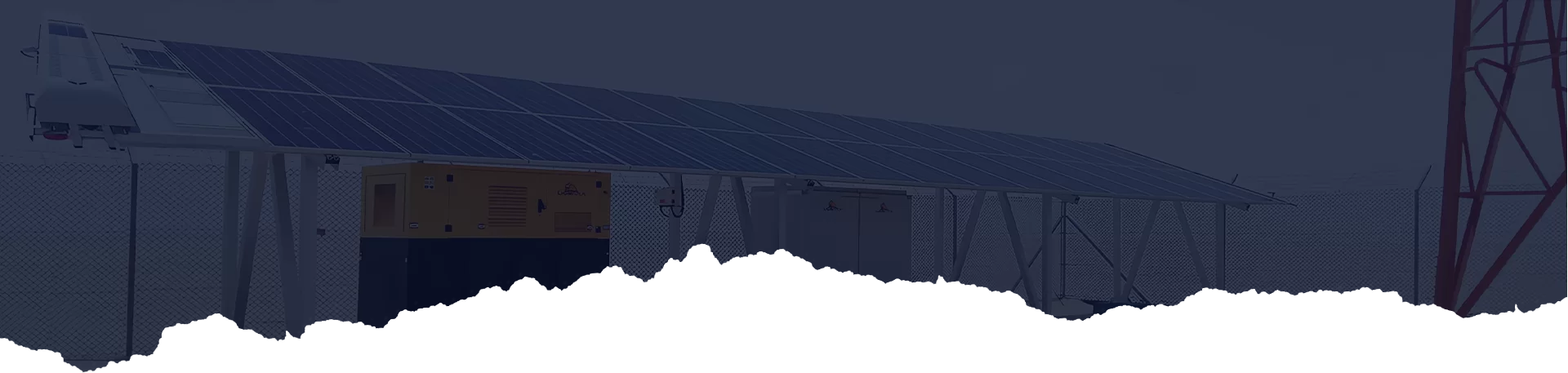
Can a cummins generator be integrated with solar PV systems in Germany?

Yes, by using a hybrid controller and synchronization panel, our generators can act as a secondary power source that complements solar energy, ensuring stability during cloudy periods.

What are the maintenance intervals for a weichai diesel generator in cold climates?

For the German winter, we recommend an oil and filter change every 250-500 hours, along with the installation of engine block heaters to ensure reliable cold-starts.

Is the yuchai diesel generator suitable for continuous prime power use?

Absolutely. Our Yuchai-powered sets are available in both standby and prime configurations, designed for continuous operation with variable loads in industrial settings.

What is the average lead time for shipping heavy-duty generators to Germany?

Standard configurations typically take 2-4 weeks for production and 4-6 weeks for shipping and customs clearance into Germany, depending on the port of entry.

Secure Your Industrial Power Future

Contact our engineering team for a customized power audit and solution design for your facility in Germany.

Contact Us Now

If you are interested in our products, you can choose to leave your information here, and we will be in touch with you shortly.