
Selecting a reliable power source for heavy-duty industrial operations often leads procurement managers to evaluate high-capacity diesel solutions. When searching for a cummins 500kva generator Supplier, the primary objective is typically to secure a balance between fuel efficiency, load stability, and long-term durability. For critical infrastructure like data centers or large-scale manufacturing plants, a 500kVA output represents a significant energy threshold that requires precision engineering to prevent voltage fluctuations and operational downtime.
At Jiangsu Kaichen Power Equipment Co., Ltd., we understand that power generation is not just about raw capacity, but about environmental adaptability. Whether deploying units in the arid conditions of the Middle East or the humid climates of Southeast Asia, the integration of premium engines with intelligent control systems ensures that your facility remains operational regardless of grid instability. Our approach focuses on delivering scalable, modular power solutions that align with specific B2B industrial requirements.

The core of a high-performance generator set lies in the synergy between the diesel engine and the industrial alternator. For units in the 500kVA range, the engineering focus is on thermal management and combustion efficiency. Modern systems utilize advanced electronic fuel injection to optimize the air-fuel ratio, which not only reduces operational OPEX but also ensures a rapid start-up sequence during emergency grid failures.
To enhance reliability, these systems are often paired with digital controllers such as Deep Sea or ComAp. These interfaces provide real-time telemetry for voltage, frequency, and fuel levels, allowing facility managers to implement predictive maintenance strategies. Furthermore, the inclusion of Automatic Transfer Switches (ATS) ensures a seamless transition from utility power to backup power, minimizing the risk of data loss in critical IT environments.

Different industries demand different generator configurations. For instance, in the data center sector, the priority is "uncompromising reliability." Here, soundproof containerized generators are preferred to meet urban noise regulations while providing 24/7 server uptime. The integration of remote monitoring systems allows for global tracking of operational data, reducing the total cost of ownership (TCO) through optimized service intervals.
Conversely, construction sites in remote desert regions require "heavy-duty dust-resistant" configurations. In these scenarios, standard filtration is insufficient; oversized air filters and specialized cooling systems are mandatory to combat abrasive sandstorms and extreme heat. For these EPC projects, we often implement intelligent parallel operation solutions, where multiple units synchronize to share the load, thereby optimizing fuel consumption based on real-time demand.
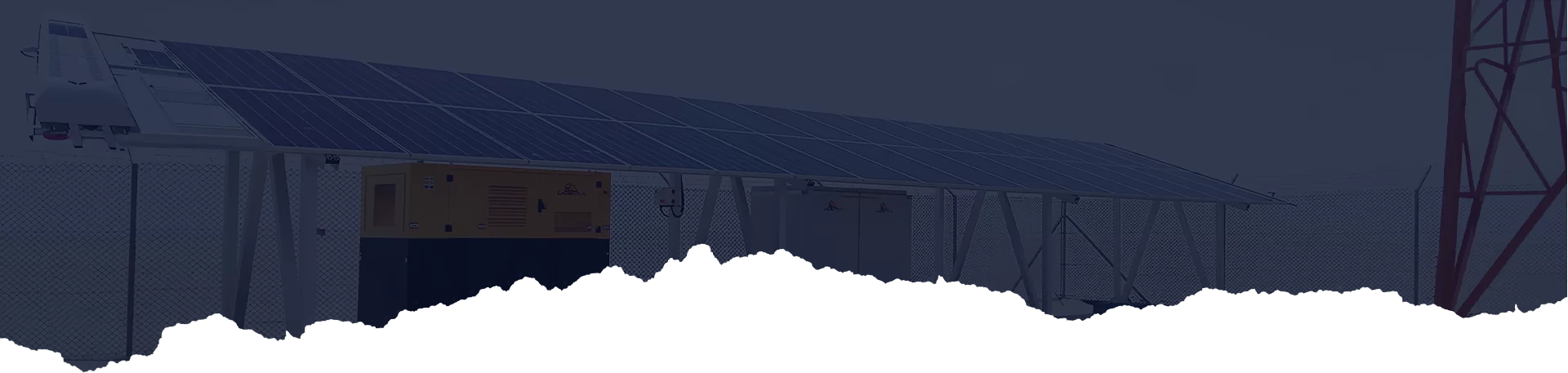
In the agricultural and aquaculture sectors, the focus shifts to cost-effectiveness and durability. Power is used for critical pumping and aeration systems. In these isolated microgrids, diesel generators often serve as the baseload backbone, sometimes integrated with solar PV arrays to create a hybrid system that reduces diesel logistics costs and environmental impact.
When evaluating a power solution, procurement professionals must look beyond the initial purchase price. The true value of a generator is found in its lifecycle performance. Key considerations include the quality of the alternator, the availability of spare parts, and the supplier's ability to provide customized OEM/ODM solutions. A standardized unit may work for a simple warehouse, but a healthcare facility or a telecommunications hub requires a tailored configuration to ensure strict compliance with safety mandates.
Environmental adaptability is another crucial factor. A generator designed for a temperate climate will fail prematurely in a tropical or desert environment due to overheating or corrosion. Therefore, specifying weather-resistant canopies and specialized filtration is essential. Additionally, buyers should verify that the equipment adheres to international quality frameworks such as ISO 9001 and CE certifications to ensure global interoperability and safety.
| Application Sector | Priority Requirement | Recommended Configuration | Expected Outcome |
|---|---|---|---|
| Data Centers | Zero Downtime | Soundproof Containerized | Continuous Server Uptime |
| Mining & EPC | Dust Resistance | Heavy-duty Air Filtration | Operational Stability in Deserts |
| Healthcare | Rapid Start-up | ATS/AMF Integrated Panels | Immediate Backup for Life-Support |
| Agriculture | Low Maintenance | Modular Durable Sets | Stable Irrigation & Aeration |
| Island Resorts | Hybrid Integration | Synchronized Microgrid | Reduced Fuel Logistical Costs |
Reliability in power generation is the result of stringent manufacturing processes. With over two decades of expertise, Jiangsu Kaichen Power Equipment Co., Ltd. utilizes a professional team of more than 200 specialists, including precision technicians and quality control experts. Every unit undergoes rigorous testing—from initial design and R&D to final load bank analysis—ensuring that the stable power output promised in the specifications is delivered in the field.
Our commitment to quality extends to the selection of components. By integrating world-class diesel engines and premium industrial alternators, we ensure that our generator sets can handle demanding load conditions without frequency drift. The use of heavy-gauge materials for canopies and frames ensures that the equipment withstands harsh industrial environments, effectively extending the equipment's lifecycle and reducing the frequency of costly replacements.
The industry is currently shifting toward "intelligent power." This involves the transition from simple backup systems to integrated energy management hubs. We are seeing a rise in demand for hybrid systems where diesel generators operate in tandem with renewable energy sources. This not only lowers carbon footprints but also provides a diversified energy security strategy for remote industrial sites.
Furthermore, the integration of IoT and AI-driven diagnostics is becoming standard. Future power solutions will not only alert operators to a failure but will predict it weeks in advance by analyzing vibration patterns and fuel consumption anomalies. For the B2B buyer, this means a shift from reactive maintenance to proactive optimization, significantly lowering the operational risk for critical infrastructure globally.
These units are typically used for medium-to-large scale industrial needs, including commercial data centers, hospitals, telecommunication hubs, and large manufacturing plants where a stable and high-capacity backup power source is required to prevent operational losses.
A professionally engineered soundproof canopy reduces noise emissions to comply with urban regulations without compromising airflow. It protects the internal components from environmental debris and weather, although it requires an optimized cooling system to prevent heat buildup.
Prime Power is intended for use as the main power source in locations without a grid, allowing for variable loads. Standby Power is the maximum capacity available for a short period during a utility outage to maintain critical functions.
Yes, through intelligent parallel operation solutions. Digital controllers allow multiple units to synchronize their voltage and frequency, distributing the load dynamically to optimize fuel efficiency and provide redundancy.
While standard units can often be dispatched within 7-10 days, custom OEM/ODM specifications are tailored to the project's complexity and order volume, with timelines established during the technical consultation phase.
Buyers should prioritize suppliers with ISO 9001 for quality management and CE certification for safety and environmental standards, ensuring the equipment meets international regulatory requirements.
Ensuring power continuity is a strategic investment in operational security. Whether you require a prime power solution for a remote site or a critical backup system for an urban data center, the right technical configuration is key to long-term success. Contact our engineering team today for a tailored technical consultation and a competitive B2B quote.


