

Product Overview
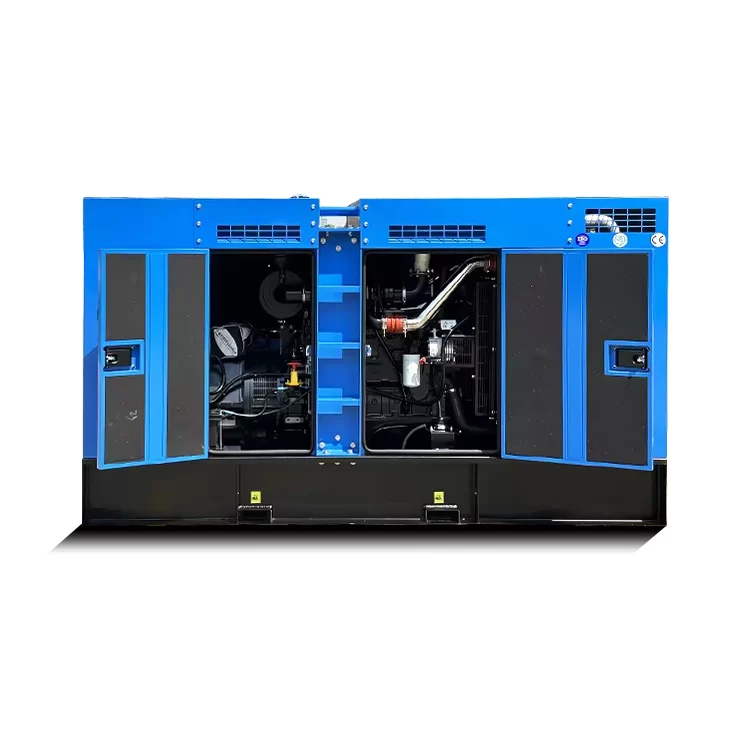
As a High Quality weichai marine generator Supplier, our facility specializes in the heavy-duty engineering, scale manufacturing, and global distribution of elite maritime power systems. Our product range encompasses advanced propulsion and auxiliary models engineered to deliver unwavering electricity for prime, continuous, and emergency marine applications. By strictly adhering to international marine classification standards (such as CCS, BV, and DNV) and integrating cutting-edge weichai marine generator technology, we provide scalable and customized power solutions. Whether outfitting commercial cargo fleets or complex offshore platforms, our commitment to precision manufacturing establishes us as the backbone of your operational resilience at sea.
GLOBAL MARITIME SUCCESS CASES
Operating as a premier OEM weichai marine genset Factory, we seamlessly meet diverse international maritime requirements by providing standardized, modular, and highly customized shipboard power solutions. We establish core competitiveness in the global marine market through distinct advantages in salt-fog corrosion resistance, exceptional fuel economy, intelligent parallel control, and stringent compliance with IMO emission certifications.
 Offshore Oil & Gas Platforms - Critical Prime Power
In demanding offshore environments, high humidity, corrosive salt spray, and extreme weather conditions pose severe threats to standard power equipment. A major deep-sea drilling platform required an absolutely reliable and continuous auxiliary power system to ensure the 24/7 uninterrupted operation of its life-support systems, drilling controls, and communication networks.
We engineered a bespoke robust marine power station utilizing a high-capacity weichai marine genset. This unit integrates dual-circuit freshwater and seawater heat exchangers alongside commercial-grade marine alternators. It not only delivers immense, stable torque to meet the intense load fluctuations of the platform, but its advanced marine-grade acoustic enclosures also comply with stringent offshore noise regulations, paired with a global remote telemetry system for predictive maintenance.
 Commercial Cargo & Container Ships - Auxiliary Power
When navigating transoceanic routes, commercial cargo vessels rely heavily on onboard generators to power massive navigation arrays, bow thrusters, cargo refrigeration units, and crew quarters independently from the main propulsion engine.
As a leading Wholesale weichai marine genset Manufacturer, we provided an intelligent parallel operation solution for a fleet of newly built bulk carriers. Our customized marine units feature reinforced vibration isolators and specialized marine governing systems. The synchronized control system automatically manages load sharing between multiple units, drastically reducing fuel consumption during varied operational phases and extending the maintenance lifecycle of the equipment.
 Deep-Sea Fishing Fleets - Continuous Operational Power
For large-scale commercial fishing operations, uninterrupted electricity is critical for operating heavy winches, net-hauling machinery, and massive deep-freeze compartments to preserve the catch. A failure in the power supply directly results in devastating financial losses and jeopardizes vessel safety.
We supplied highly economical and rigorously tested marine generator sets specifically tuned for the grueling conditions of deep-sea fishing. Emphasizing high mechanical reliability and streamlined manual overrides for rapid troubleshooting at sea, these units ensure long-term stability. Furthermore, we provide exhaustive multi-lingual maritime operation manuals and global port-side service networks to support fleet engineers.
 Island Port Terminals - Isolated Grid Power Supply
Developing maritime infrastructure on remote islands requires immense power for gantry cranes, container handling equipment, and local port administration facilities where mainland grid connections are entirely non-existent.
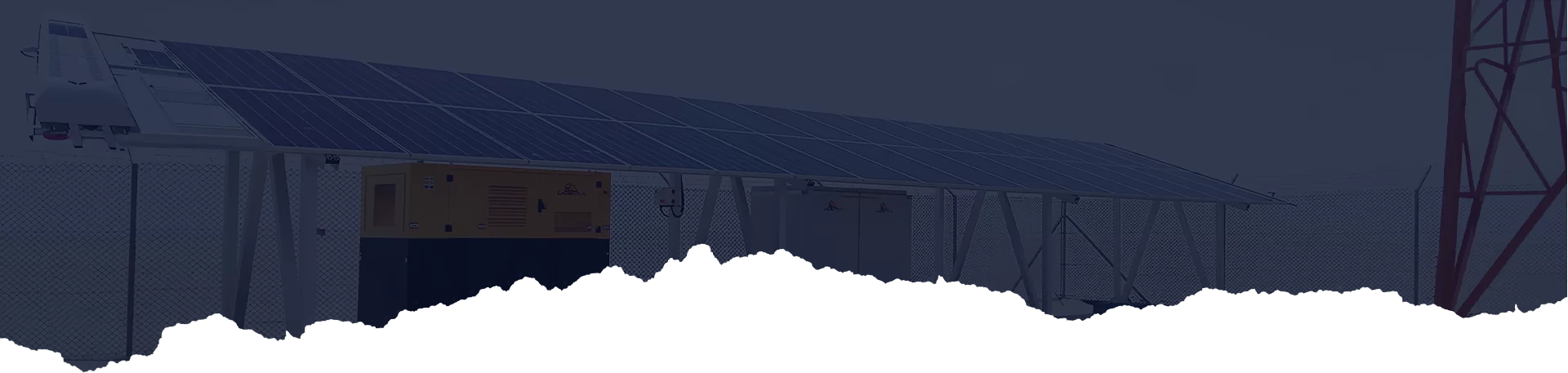
We established a heavy-duty isolated microgrid anchored by our industrial-grade marine diesel generators. Multiple gen-sets are configured in a redundancy array to guarantee 100% uptime for port logistics. To optimize long-term operational expenditures, our systems are pre-engineered to seamlessly integrate with port-side solar arrays, forming an efficient hybrid marine energy grid that minimizes diesel dependency during daylight hours.
 Core Advantages
Exceptional Maritime Reliability: Utilizing authentic weichai marine generator engines and premium IP23/IP44 marine alternators, our systems guarantee rapid start-up and unwavering power continuity under severe vessel pitch and roll conditions.
Superior Fuel Economics: Engineered with advanced electronically controlled high-pressure common rail injection, our engines optimize fuel atomization, significantly lowering the total cost of ownership for long-haul shipping routes.
Uncompromising Durability: Constructed specifically for the corrosive marine atmosphere, our units feature double-walled high-pressure fuel lines, robust anti-corrosion coatings, and specialized structural skid bases to absorb engine-room vibrations.
Global Compliance & Servicability: Designed with logical accessibility for fast engine room maintenance, minimizing downtime in port. Our control panels comply with stringent marine automation standards, integrating easily with central ship control rooms.

Technical Highlights
Scalable Power Range: Available from 50 kW to over 2000 kW, providing highly versatile solutions for small workboats, luxury yachts, large cargo vessels, and industrial offshore platforms.
Advanced Marine Control Panels: Integrated digital command centers offer real-time analytics of critical parameters including lube oil pressure, exhaust temperature, and RPM. Compatible with standard marine protocols (like NMEA or Modbus) for seamless bridge integration.
Comprehensive Safety Shutdowns: Outfitted with redundant sensors and automatic shutdown mechanisms to prevent catastrophic failure from over-speed, high coolant temperature, or low oil pressure, safeguarding vessel integrity.
Marine Certification Standards: As a responsible OEM weichai marine genset Factory, our units are rigorously tested and can be fully certified by major international classification societies including CCS, ABS, DNV, and BV, meeting IMO Tier II/III emission mandates.

Typical Applications
Our heavy-duty marine generators are trusted by major shipyards and fleet operators globally to provide critical power across various maritime sectors:
Commercial Shipping: Bulk carriers, container ships, oil tankers, and Ro-Ro vessels requiring steadfast auxiliary power for cargo and navigation.
Offshore & Engineering: Oil rigs, dredging vessels, floating production storage and offloading (FPSO) units, and heavy-lift crane ships.
Workboats & Fleets: Tugboats, deep-sea fishing trawlers, offshore supply vessels (OSV), and passenger ferries demanding high torque and maneuverability support.

Our B2B Commitment
For global maritime projects, dependable power is the lifeline of the operation. We are fully committed to engineering durable, compliant, and cost-effective marine power generation solutions. Partnering with us ensures your fleet remains powered and profitable, no matter how harsh the maritime conditions.
| Feature / Specification | B2B Marine Market Advantage |
|---|---|
| Core Technology | Premium weichai marine generator blocks engineered for heavy-duty marine cycles. |
| Cooling System | Marine-grade fresh water/sea water dual-circuit heat exchangers for optimal thermal management. |
| Supply Capabilities | High-volume capacity as a Wholesale weichai marine genset Manufacturer with custom OEM options. |
| Certifications & Compliance | Available with CCS, BV, ABS, DNV approvals and compliant with IMO Tier II / Tier III emissions. |
 FAQ for B2B Buyers
1. What are your main products and target maritime applications?
Our core focus is on manufacturing industrial-grade 4-cylinder, 6-cylinder, and 12-cylinder marine diesel engines and complete marine gensets. These systems are explicitly engineered for shipboard auxiliary power, offshore platform main power, marine propulsion support, and heavy-duty port engineering machinery. We do not manufacture consumer-grade or light-duty terrestrial units.
2. As a factory, how do you handle production times for bulk or custom OEM orders?
As a robust OEM weichai marine genset Factory, we maintain an extensive inventory of standardized marine alternators, engine blocks, and critical components. For standard specifications, we can achieve rapid assembly and dispatch within 7-15 days. For highly customized units requiring specific classification society certifications (like CCS or DNV) or unique voltage requirements, our specialized engineering team will define a precise production schedule tailored to your project.
3. Are you a trading company or a direct manufacturer, and how does this affect pricing?
We are a direct, vertically integrated factory. This allows us to act as a highly competitive Discount weichai marine generator Manufacturer for large-scale fleet procurements, shipyard construction projects, and global distributors. By bypassing middlemen, we guarantee factory-direct wholesale pricing, rigorous internal quality control, and direct technical support for our B2B partners.
4. What is your Minimum Order Quantity (MOQ) for international shipments?
Our MOQ is 1 Set. We support sample orders for rigorous testing by shipyards or marine engineering firms prior to establishing long-term, high-volume procurement contracts.


A marine diesel generator is an industrial-grade, specialized power generation system strictly designed for deployment on commercial ships, offshore drilling platforms, and diverse marine vessels. Unlike conventional terrestrial generators, it converts marine-grade diesel fuel into stable, continuous electrical energy required to operate critical onboard infrastructure. This ensures that the vessel remains fully operational, safe, and efficient, particularly supplying power to essential auxiliary systems when the main propulsion engine is offline or when navigating peak electrical loads.
The core working principle of a marine diesel generator mirrors standard internal combustion physics but is optimized for the rigors of the sea. It utilizes a heavy-duty diesel engine block to burn fuel via compression ignition, generating immense mechanical torque. This mechanical energy is seamlessly transferred to a marine-certified alternator, which converts it into stable AC power via electromagnetic induction. This high-quality electricity is then distributed across the ship’s grid to power vital navigation radar, communication arrays, heavy cargo pumps, commercial refrigeration, and emergency life-safety protocols.
What truly distinguishes a marine generator is its uncompromising construction designed specifically to combat brutal maritime environments. These systems are manufactured utilizing heavy-duty anti-corrosion alloys, specialized vibration isolation mounts to withstand the constant pounding of ocean waves, and advanced thermal management systems. Unlike land generators, marine units predominantly employ seawater cooling systems or dual-circuit fresh-water heat exchangers to maintain optimal engine temperatures during weeks of continuous, uninterrupted transoceanic voyages.
Operational reliability is the paramount factor for any maritime application. Vessels operate hundreds of nautical miles from shore-based maintenance facilities, meaning a blackout at sea can lead to catastrophic consequences. Consequently, high-end marine diesel generators are engineered with massive load-handling capabilities, exceptional fuel efficiency, and structural redundancies, guaranteeing continuous prime power under the most demanding marine classification standards.
Furthermore, modern maritime power systems integrate sophisticated digital automation. These automated control panels interface directly with the ship's centralized bridge systems, enabling marine engineers to meticulously monitor real-time power outputs, optimize fuel consumption profiles, and execute predictive maintenance protocols remotely.
In summary, a marine diesel generator is the beating electrical heart of modern maritime operations. It is an indispensable, heavily fortified power plant that guarantees uninterrupted electricity, safeguarding the vessel, the cargo, and the crew throughout demanding global maritime deployments.
Yes, there is a profound difference between marine diesel and standard terrestrial diesel, even though both originate as petroleum-based distillate fuels. The core distinctions are found in their chemical composition, refinement grades, energy density, and strict adherence to international maritime environmental regulations governing global shipping lanes.
Marine diesel fuel is explicitly formulated for heavy-duty consumption in large-scale commercial ship engines and auxiliary weichai marine genset systems. Because commercial vessels operate continuously under massive torque loads for weeks at a time, marine fuels are optimized for sustained, high-temperature combustion. The maritime industry utilizes specific classifications such as Marine Diesel Oil (MDO) and Marine Gas Oil (MGO), which are tailored to meet the exacting mechanical tolerances of large-bore marine engines and international maritime standards.
Conversely, regular commercial diesel—ubiquitous in highway trucking, agricultural machinery, and stationary land-based generators—is engineered for rapid acceleration, frequent start-stop cycles, and variable-speed automotive applications. These fuels must strictly comply with regional overland standards, such as EN590 in Europe or ASTM standards in North America, prioritizing immediate throttle response and compatibility with sensitive automotive emission control systems.
A critical point of divergence is the permissible sulfur content and lubricity. Historically, heavy marine fuels contained significantly higher sulfur levels. However, to combat global marine pollution, the International Maritime Organization (IMO) introduced strict frameworks like IMO 2020. Today, modern maritime vessels utilize Very Low Sulfur Fuel Oil (VLSFO) or Ultra-Low Sulfur Marine Gas Oil to drastically cut exhaust emissions while preserving the necessary lubricity to protect massive marine fuel injectors over thousands of operational hours.
Additionally, the viscosity and flash point of the fuels differ substantially. Marine fuels are generally more viscous and possess a higher energy density, which translates to superior long-haul fuel economy for massive cargo ships operating at constant RPMs. Standard diesel is refined to be lighter, ensuring it won't gel in cold terrestrial climates and will combust rapidly in high-speed, smaller displacement engines.
In conclusion, while they share a crude oil lineage, marine diesel is a robust, energy-dense fuel customized for the grueling endurance of maritime logistics, whereas regular diesel is a highly refined product designed for the dynamic, clean-burning requirements of land-based transportation and machinery.
The fundamental difference between a specialized marine generator and a conventional regular generator lies entirely in their engineering architecture, environmental resilience, strict regulatory compliance, and thermal management systems. While both machines serve the basic function of converting diesel fuel into electrical power via an engine and an alternator, a marine generator is a heavily modified piece of industrial machinery designed solely for the extreme, unforgiving conditions of the open ocean.
Structurally, a marine generator is fortified to combat an incredibly hostile operating environment. It must endure incessant multi-directional vibrations from heavy seas, 100% relative humidity, and the highly corrosive nature of airborne salt spray. To achieve this, high-end marine units utilize specialized marine-grade coatings, double-skinned fuel lines, water-resistant IP44+ alternators, and heavily reinforced structural skids. In sharp contrast, regular terrestrial generators—typically deployed in stable environments like construction sites, commercial basements, or hospitals—lack these expensive structural fortifications as they are not exposed to such intense kinetic and corrosive forces.
Another critical differentiator is strict adherence to maritime safety and certification standards. Marine generators must be rigorously tested and approved by international classification societies such as Lloyd's Register, DNV, ABS, or CCS before they are legally permitted on commercial vessels. These certifications mandate extreme safety features, including fire-resistant components, emergency automated shutdown protocols, and leak-proof engine architectures. Regular land generators follow localized municipal electrical codes but are entirely exempt from these rigorous international maritime treaties.
The cooling mechanisms present perhaps the most obvious engineering divergence. Marine generators overwhelmingly utilize closed-loop fresh water cooling systems that are subsequently cooled by raw seawater via high-efficiency titanium or copper-nickel heat exchangers. This eliminates the need for massive, space-consuming radiator fans in tight engine rooms. Regular generators rely heavily on ambient air-cooled radiators, which are entirely impractical and inefficient in the enclosed, high-temperature environment of a ship's hull.
Lastly, operational endurance separates the two. A marine generator is engineered for absolute continuous, prime-power duty cycles with minimal required downtime, providing life-saving power thousands of miles from the nearest port. Terrestrial generators are frequently designed merely for standby or intermittent emergency use during localized grid failures.
In conclusion, marine generators are highly specialized, relentlessly durable power plants mandated by international law for safe maritime logistics, while regular generators are general-purpose units optimized for the predictable stability of land-based power requirements.

Jun 08,26
Reliable perkins 500 kva Supplier for Industrial Power Solutions

Aug 14,26
Reliable Industrial cummins gas generator Supplier Solutions

Apr 17,26
Reliable 10kva perkins generator Supplier for Business and Home

Feb 21,26
Expert Guidance on Selecting a Reliable Perkins Generator 20kVA Supplier
The global demand for reliable power solutions is constantly increasing, driven by industrial growth, infrastructure development, and the need for backup power in critical applications. A key player in meeting this demand is the availability of robust and efficient generators, and among these, the perkins generator 20kva Supplier stands out as a popular and trusted choice. Understanding the nuances of sourcing these generators—from choosing the right supplier to assessing technical specifications—is crucial for businesses and organizations seeking a dependable power source. The importance of a reliable perkins generator 20kva Supplier extends beyond simple power provision. It impacts operational efficiency, minimizes downtime, and ensures business continuity. In regions with unstable grid infrastructure, or during emergency situations, a quality generator can be a lifeline. Therefore, selecting a competent supplier capable of delivering not just the unit itself, but also comprehensive support, maintenance, and genuine spare parts is paramount. The market for perkins generator 20kva Supplier is dynamic, with numerous suppliers vying for business.

Jun 21,26
Reliable perkins 100 kva generator price Supplier and Guide

May 04,26
Industrial Power Cummins 30kW Generators
Industrial Power Cummins 30kW Generators Precision-engineered electrical machinery delivering unwavering 30kW performance for critical infrastructure and heavy industrial operations globally. 5000 Annual Output 120 Countries Served 7 Days Sample Lead Time 99.9 On-Time Delivery Prime Electrical Solutions Power Engineering Redefining the standards of power generation for modern electrical mechanical industries. As a premier cummins 30kw generator Supplier , we occupy a Dominant Market Position in the electrical machinery sector. Our expertise in generator set manufacturing allows us to integrate cutting-edge alternator technology with robust engine designs, ensuring that each unit exceeds global efficiency benchmarks.
CONTACT US