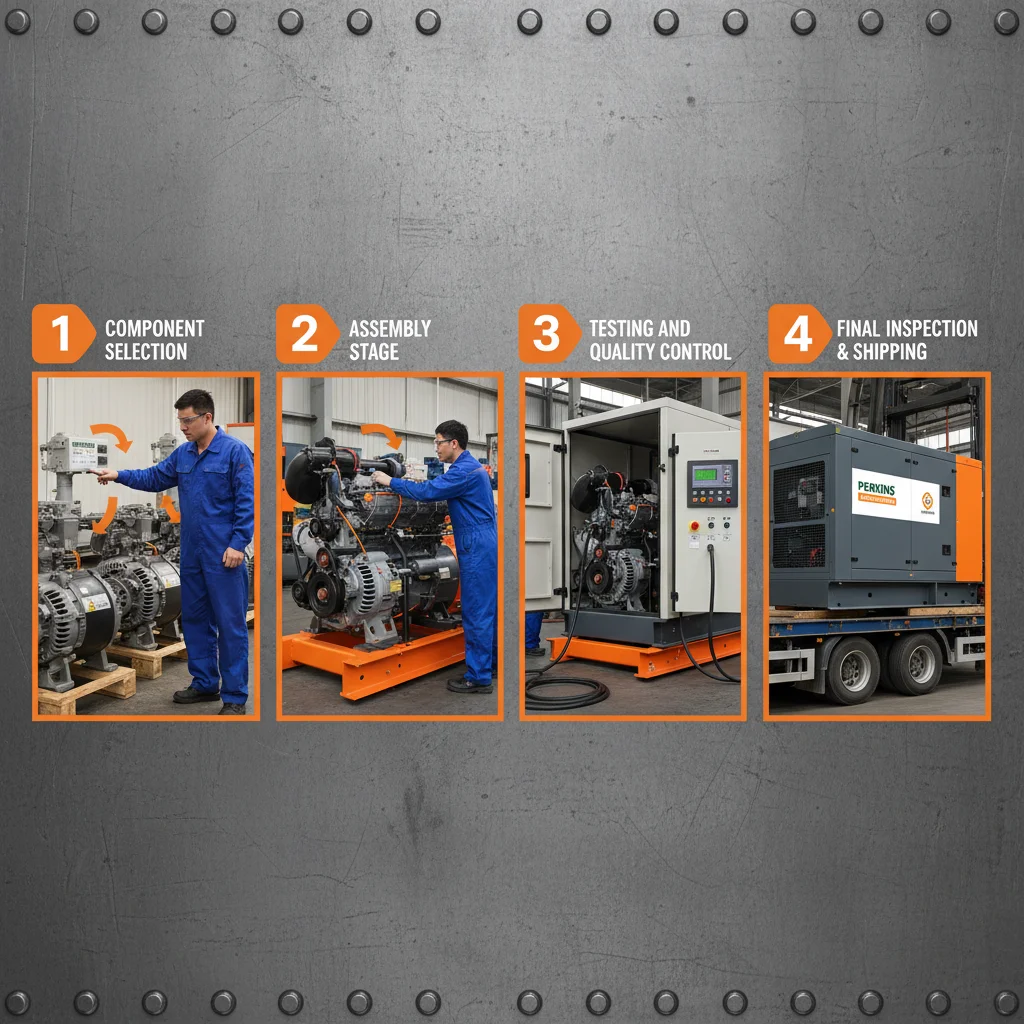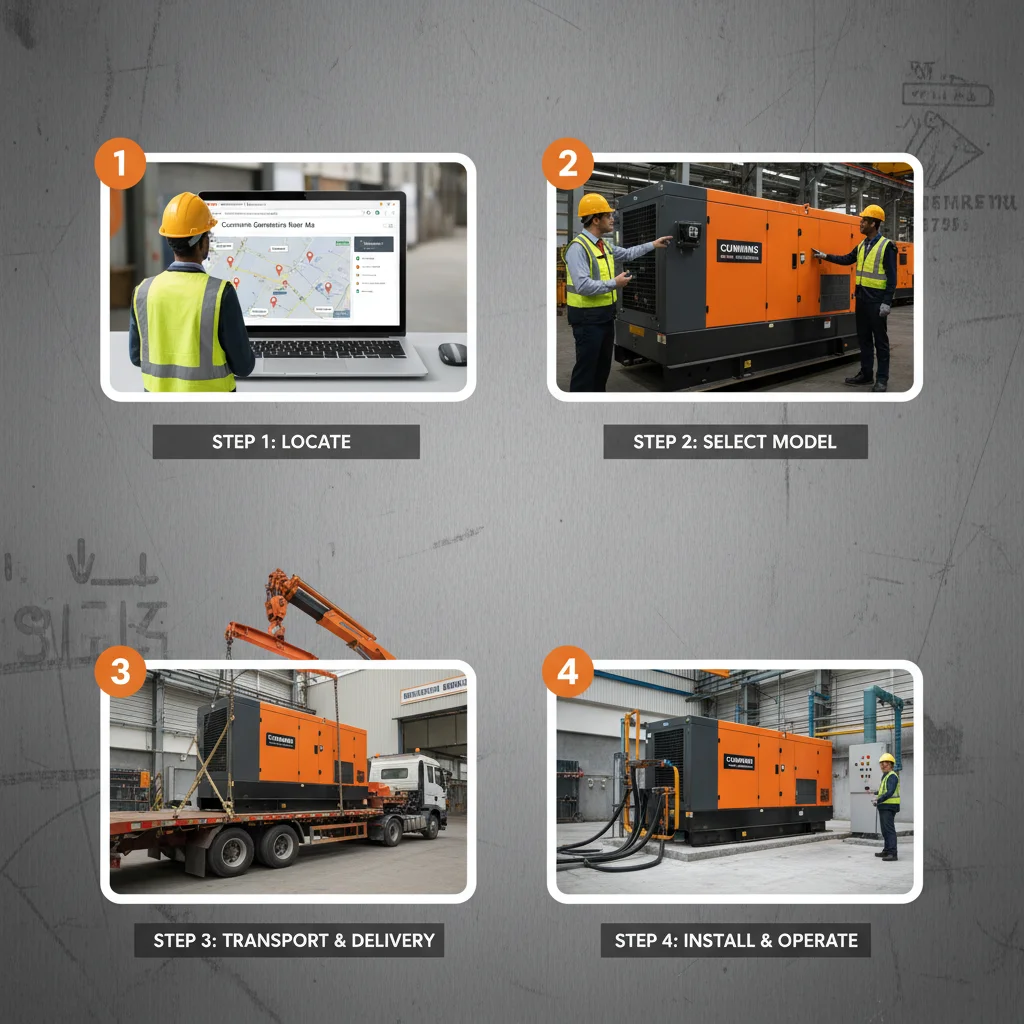

Procuring a 125 kVA diesel generator involves more than just comparing initial quotes; it requires a strategic analysis of total cost of ownership (TCO) and power stability. For many industrial operators, the search for a reliable cummins 125 kva generator price Supplier often begins with a need for critical backup power that can handle fluctuating loads without compromising equipment safety.
The mid-range power segment, specifically around 125-150 kVA, serves as the backbone for essential services including data centers, healthcare clinics, and medium-scale manufacturing plants. In these environments, the cost of power failure far outweighs the initial investment of the genset, making the balance between upfront pricing and operational efficiency a primary decision driver.
This article examines the technical variables that influence pricing, the operational requirements for high-uptime environments, and how to evaluate a supplier's capacity to deliver long-term value beyond the purchase agreement.


The 125 kVA to 150 kVA range is often the "sweet spot" for businesses that have outgrown portable units but do not require megawatt-scale power plants. The pricing for these units is not static; it fluctuates based on the engine's cylinder configuration and the alternator's efficiency rating.
When evaluating a supplier, buyers must distinguish between "prime power" ratings and "standby" ratings. A unit priced for standby use may not be engineered for the continuous thermal stress of prime power applications, leading to premature engine wear and higher long-term costs.
The cost of a diesel generator is heavily influenced by the cooling system and the enclosure type. For urban deployments, a silent soundproof enclosure is mandatory to meet local noise ordinances, which adds a premium to the base price. Conversely, industrial sites in open areas may opt for open-frame sets to reduce costs and improve natural ventilation.
Control systems also play a pivotal role. Basic manual panels are inexpensive but labor-intensive. Modern intelligent digital control panels, such as those integrated into Jiangsu Kaichen Power's solutions, allow for Automatic Mains Failure (AMF) transitions. This automation reduces the risk of human error during power outages, providing a tangible insurance policy for sensitive electronic equipment.
Furthermore, the quality of the alternator and the fuel injection system determines the unit's fuel economy. High-efficiency components reduce the liters-per-hour consumption, meaning a more expensive unit upfront can actually be the cheaper option over a five-year operational window.
Environmental factors are often overlooked during the initial pricing phase but are critical for durability. Generators deployed in Middle Eastern deserts or coastal regions face distinct challenges: extreme ambient heat and high salinity or dust concentrations.
True reliability is measured by the equipment's ability to maintain rated output at peak ambient temperatures without derating, requiring specialized high-capacity industrial cooling and anti-dust filtration systems.
To combat these issues, heavy-duty anti-dust units are engineered with oversized radiators and multi-stage air filtration. While these additions increase the initial price, they prevent the frequent overheating and engine seizures common in standard units operating in harsh climates.
When comparing a standard generator with a high-performance solution like those from Jiangsu Kaichen Power, the focus must shift from the purchase price to the TCO. TCO includes fuel consumption, scheduled maintenance, and the cost of unplanned downtime.
Predictive monitoring systems significantly lower the TCO by alerting operators to low oil pressure or coolant temperature issues before they lead to catastrophic failure. This shifts the maintenance model from reactive to proactive.
The application of a 125-150 kVA set varies widely. In a typical industrial setting, such as a textile mill or a cold-storage warehouse, the generator must handle high inductive loads from motors. This requires a unit with superior voltage regulation to prevent power spikes from damaging sensitive machinery.
For remote infrastructure or agricultural irrigation projects, modularity is key. Using parallel operation allows a facility to start with one unit and expand capacity as demand grows, distributing the load across multiple units to optimize fuel consumption and ensure redundancy.
The industry is moving away from standalone diesel reliance toward isolated microgrids. By integrating diesel generators with solar photovoltaic (PV) systems, operators can utilize renewable energy for base loads and reserve the diesel engine for peak shaving or backup during inclement weather.
This hybrid approach significantly reduces carbon emissions and operational fuel costs. The technical challenge lies in the synchronization of the generator with the inverter system, necessitating advanced control panels capable of managing hybrid energy inputs.
Future-proofing a power investment now means selecting equipment that is "microgrid ready." This flexibility ensures that as solar technology costs drop, the existing diesel infrastructure can be seamlessly integrated rather than replaced.
Selecting a supplier based solely on the lowest quote is a common mistake that leads to increased downtime. A professional evaluation should prioritize technical support, lead times, and compliance with international emission and safety certifications.
Lead time is another critical variable. While customized specifications typically take 7-10 days, the ability of a supplier to maintain stock of standard models for immediate delivery can be the difference between a functioning business and a total shutdown during a grid crisis.
Below is a conceptual framework for comparing standard market offerings against integrated power solutions.
| Evaluation Factor | Standard Generator | Integrated Solution | Operational Impact |
|---|---|---|---|
| Fuel Efficiency | Basic Consumption | Optimized Low Consumption | Lower Monthly OpEx |
| Maintenance | Manual Checks | Predictive Remote Monitoring | Reduced Downtime |
| Climate Fit | Limited Temp Range | Extreme Heat/Dust Protection | Higher Reliability |
| System Design | Standalone Unit | Parallel Microgrid Ready | Scalable Capacity |
| Operational Life | Standard Lifespan | Extended Heavy-Duty Durability | Better Asset Value |
| Control Level | Analog/Simple Digital | Intelligent AMF Integration | Seamless Transition |
The kVA rating determines the size of the alternator and the engine's power output. While 125kVA is a standard mid-range size, the price varies based on whether the unit is rated for standby or prime power. Standby units are cheaper but designed for intermittent use, whereas prime power units are engineered for continuous operation, utilizing more robust components to handle thermal stress, which increases the initial cost but ensures long-term stability.
In desert regions, the primary costs stem from more frequent air filter replacements and coolant system flushing to prevent clogging from sand and dust. Using a generator with specialized anti-dust filtration and high-capacity cooling systems reduces these costs by preventing engine overheating and extending the interval between major overhauls, thus protecting the investment from environmental degradation.
Yes, these units can be integrated into isolated microgrids. By combining a diesel generator with solar PV systems, the generator acts as a secondary power source or a "charger" for battery banks. This hybrid configuration reduces fuel consumption and noise pollution. Success requires a compatible AMF control panel and a synchronization module to manage the transition between solar and diesel power seamlessly.
A reputable supplier should provide transparent technical specifications, international quality certifications, and a clear after-sales support structure. Look for suppliers who offer predictive maintenance tools, multilingual manuals, and a proven track record of deploying units in your specific geographic region. Avoid suppliers who only compete on price without explaining the technical trade-offs in engine quality or enclosure durability.
Standard models are often available for immediate delivery from stock. However, customized specifications—such as specialized soundproof canopies, hybrid-ready control panels, or extreme-environment cooling systems—typically require a production lead time of 7-10 days. It is advisable to confirm the exact configuration early to avoid delays in critical infrastructure projects.
For industrial-grade generators, the MOQ is typically one set. This allows both small businesses and large-scale infrastructure projects to procure the exact capacity they need. Suppliers like Jiangsu Kaichen Power support this flexible ordering model to cater to a wide range of clients, from single-site backup needs to multi-unit parallel installations for industrial complexes.
Investing in a 125-150 kVA diesel generator is a decision that balances immediate capital expenditure against the risk of operational failure. By focusing on total cost of ownership, environmental adaptability, and the potential for hybrid integration, businesses can secure a power solution that evolves with their energy needs.
Ultimately, the value of a power system is not found in the purchase price, but in the confidence that critical operations will continue uninterrupted, regardless of grid instability or environmental challenges.

CONTACT US