Searching for a reliable cummins generators near me Supplier involves more than just finding a local vendor; it is about securing a critical power infrastructure that ensures operational continuity. Industrial diesel generator sets are engineered to provide seamless energy transitions during grid failures, making them indispensable for data centers, hospitals, and heavy construction sites where every second of downtime represents a significant financial or operational risk.
The challenge for most procurement managers is balancing high-performance output with fuel efficiency and environmental compliance. In demanding climates—from the humid coastlines of Africa to the arid deserts of the Middle East—generators must withstand extreme temperatures and dust while maintaining a stable voltage output. This requires a sophisticated integration of world-class diesel engines and premium alternators tailored to specific site conditions.
This comprehensive guide examines the critical selection criteria for diesel power solutions, analyzes the technical advantages of modular and silent containerized systems, and provides a procurement framework to help you identify the most suitable supplier for your specific power range and application needs.

1Understanding Diesel Generator Infrastructure

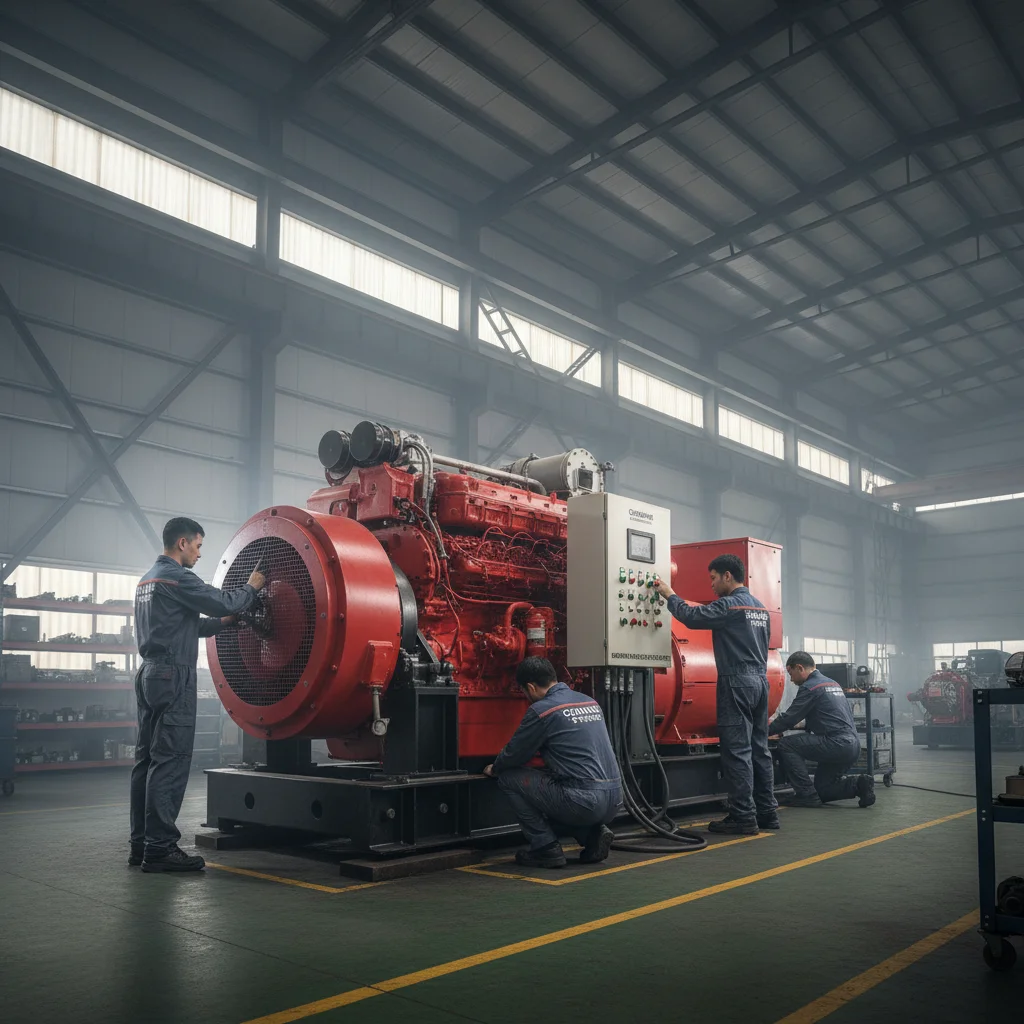
Modern industrial power generation is centered on the ability to deliver consistent, high-capacity energy under volatile conditions. A diesel generator set is not merely an engine and an alternator; it is a complex system comprising a fuel management system, a voltage regulator, and a digital control panel that synchronizes power output with the load requirements of the facility.
For enterprises seeking a cummins generators near me Supplier, the focus should be on the synergy between the engine's torque and the alternator's efficiency. High-performance units are designed to bridge the gap during grid failures instantly, ensuring that critical systems—such as server racks or life-support machinery—do not experience a flicker in power.
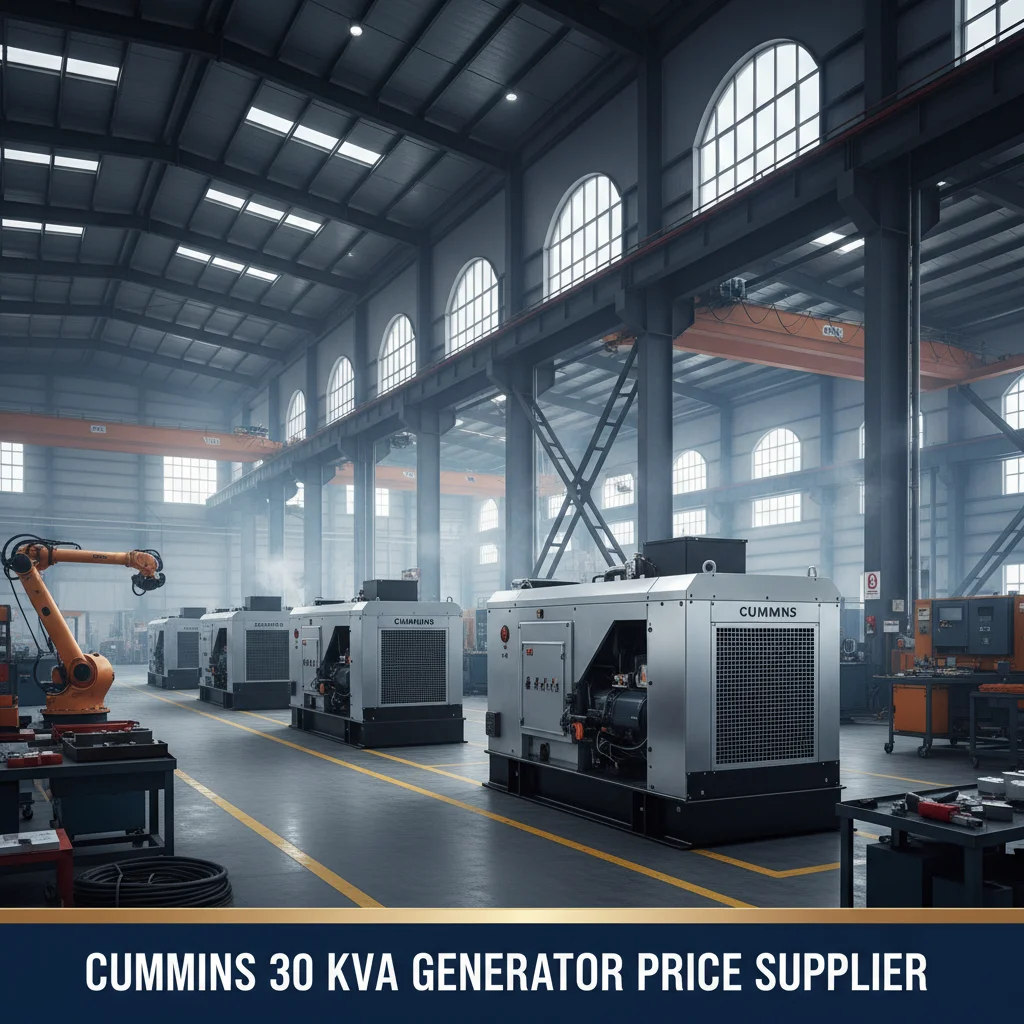
Furthermore, the physical housing of the generator plays a vital role. While open-frame units are suitable for dedicated power houses, silent containerized stations are necessary for urban environments where noise pollution regulations are strictly enforced, providing a turnkey solution that combines the engine, fuel tank, and control systems into one acoustic enclosure.
2Core Technical Specifications and Capabilities
Technical viability is measured by the power range and the stability of the output. Industrial sets typically span from 20 kVA to 2500 kVA, utilizing configurations from 4-cylinder to 12-cylinder engines depending on the load demand. The choice of cylinder count directly impacts the fuel consumption rate and the longevity of the engine under continuous prime power operation.
Control systems have evolved from simple analog gauges to integrated digital diagnostic panels. These systems allow operators to monitor voltage, frequency, and fuel levels in real-time, often supporting remote diagnostics via IoT protocols. This transition enables predictive maintenance, where sensors alert technicians to oil pressure drops or coolant temperature spikes before a failure occurs.
Reliability is further enhanced through robust protection mechanisms. Overload and short-circuit protection are standard, but high-end suppliers integrate advanced governors that maintain a precise frequency regardless of the load fluctuation, which is critical for sensitive electronic equipment in data centers.
3Industrial Application Scenarios and Use Cases
The deployment of diesel generators varies significantly across industries. In the healthcare sector, generators function as life-saving infrastructure, where zero-latency startup is required. Similarly, telecom towers in remote regions rely on these units as their primary power source, necessitating high fuel efficiency to minimize the frequency of refueling trips in isolated terrains.
In the construction and mining industries, portability and durability are the primary drivers. Portable and canopy-enclosed diesel generators are used to power heavy machinery and site offices. These units must be capable of operating in extreme dust and vibration environments, requiring reinforced chassis and high-capacity industrial cooling systems.
Lastly, urban commercial facilities often opt for silent diesel generator sets. These are integrated into soundproof containers that reduce decibel levels to meet municipal codes while still providing the necessary backup power for elevators, emergency lighting, and security systems during city-wide blackouts.
4Performance Analysis and Efficiency Metrics
Evaluating a cummins generators near me Supplier requires a look at the Total Cost of Ownership (TCO). This includes not only the initial purchase price but also the operational expenditure (OPEX) driven by fuel consumption and maintenance intervals. Advanced engine technology can reduce fuel consumption by 10-15% compared to baseline standard generators.
Load stability is another key metric. A high-quality generator maintains a steady voltage output even when heavy inductive loads (like large motors) start up. This is measured by the transient response time—the speed at which the engine recovers its RPM after a sudden increase in load.
cummins generators near me Supplier Performance Metrics
Maintenance cycles are also a critical performance indicator. Through the use of predictive technology and high-grade lubricants, the interval between major services can be extended, reducing the downtime of the facility and lowering the long-term cost of labor and parts replacement.
5Procurement Guidelines for Power Systems
Procuring a diesel generator set requires a detailed audit of the site's power profile. Peak load and average load must be calculated to avoid under-sizing (which leads to engine failure) or over-sizing (which leads to "wet stacking" or inefficient fuel combustion). A professional supplier will provide a load analysis to ensure the kVA rating matches the actual demand.
Lead times are another factor to consider. While standard sizes are often available for immediate delivery, customized configurations—such as hybrid solar-diesel systems or specific sound-attenuation levels—typically require 7-10 business days for production and testing.
Finally, after-sales support is the most overlooked part of procurement. Ensure the supplier has a responsive service network capable of providing genuine spare parts and certified technicians for on-site commissioning and annual maintenance.
6Sustainability and Hybrid Energy Integration
The industry is shifting toward sustainable power through the creation of hybrid isolated microgrids. By integrating diesel generators with solar PV systems, industries can use renewable energy for the majority of their daily load and rely on the diesel unit only during peak demands or periods of insufficient sunlight.
This hybrid approach significantly lowers the carbon footprint of the operation and reduces fuel costs. The integration requires a sophisticated hybrid controller that can manage the transition between DC solar power and AC generator power without interrupting the load.
Moreover, the adoption of low-emission engines and the use of biodiesel blends are becoming standard for companies striving to meet ESG (Environmental, Social, and Governance) goals while maintaining the unwavering reliability that only diesel power can provide.
7Comparing Standard vs. Intelligent Power Sets
Choosing between a standard generator and an intelligent system depends on the criticality of the application. Standard units are cost-effective for simple backup needs, but intelligent sets provide the monitoring and automation required for mission-critical infrastructure.
The primary difference lies in the integration of predictive diagnostics and modular deployment capabilities, which allow for rapid scaling as the facility's power needs grow over time.
| Metric | Standard Generator | Intelligent Smart Set | Impact on Operation |
|---|---|---|---|
| Fuel Consumption | Baseline | Reduced by 10-15% | Lower OPEX |
| Maintenance | Scheduled/Frequent | Predictive/Extended | Less Downtime |
| Installation | Site-built | Rapid Modular Setup | Faster Deployment |
| Noise Level | High | Ultra-low (Silent) | Urban Compliance |
| Monitoring | Local Manual | Remote Digital | 24/7 Visibility |
| Lifecycle Value | Moderate | High (Optimized) | Better ROI |
In conclusion, while the initial investment for an intelligent system is higher, the reduction in fuel costs and the prevention of unexpected downtime lead to a significantly higher return on investment over the equipment's lifecycle.
Frequently Asked Questions
Conclusion
Securing a reliable power supply is a strategic decision that impacts the long-term stability of any industrial operation. Whether you require a silent standby unit for an urban office or a heavy-duty prime power station for a remote mining site, the key lies in matching the technical specifications—such as kVA range and cooling capacity—to your specific environmental and operational constraints.
By prioritizing intelligent control systems and considering hybrid energy integration, enterprises can achieve a balance between unwavering reliability and operational efficiency. For those evaluating suitable power solutions and seeking a trusted cummins generators near me Supplier, detailed product specifications and consultancy are available at www.jskaichenpower.com.